What Is Form 1120?
Form 1120 is the U.S. Corporation Income Tax Return used by C corporations to report income, gains, losses, deductions, credits, and to calculate federal income tax liability.
It is filed annually with the IRS and is required even if the corporation had no income or operated at a loss.
Form 1120 Filing Deadlines
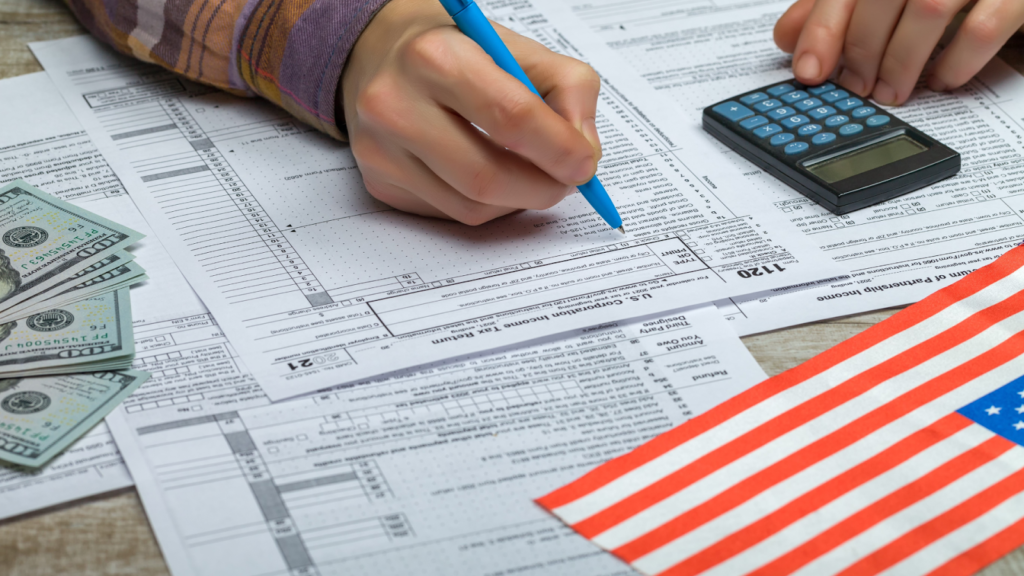
For calendar‑year corporations (tax year January 1–December 31), Form 1120 is generally due on April 15 of the following year.
For fiscal‑year corporations (a 12‑month period ending in any month other than December), the deadline is the 15th day of the fourth month after the fiscal year ends.
- Example: A corporation with a fiscal year ending June 30 must file Form 1120 by October 15.
If the due date falls on a weekend or legal holiday, the deadline moves to the next business day.
Corporations can request an automatic six‑month extension by filing Form 7004 on or before the original due date, pushing the filing deadline to October 15 for calendar‑year filers.
Note that an extension to file does not extend the time to pay any tax owed; interest and penalties can still apply to unpaid balances.
Key Schedules Attached to Form 1120

Form 1120 is often accompanied by several schedules that provide detailed information about income, expenses, and tax calculations. Common ones include:
- Schedule C – Dividends, Inclusions, and Special Deductions: Reports dividends received from other corporations and calculates special deductions (like the dividend‑received deduction) that reduce taxable income.
- Schedule J – Tax Computation and Payment: Computes the corporation’s total tax liability and shows taxes paid, including estimated‑tax payments and credits.
- Schedule K – Other Information: Collects additional business‑related disclosures such as accounting method, business activities, and certain foreign‑tax and ownership details.
- Schedule L – Balance Sheets per Books: Presents the corporation’s balance‑sheet information (assets, liabilities, and equity) at the beginning and end of the tax year.
- Schedule M‑1 – Reconciliation of Income (Loss) per Books with Income per Return: Reconciles net income (or loss) from the company’s financial‑statement books with taxable income reported on Form 1120.
- Schedule M‑2 – Analysis of Unappropriated Retained Earnings per Books: Tracks changes in retained earnings (such as net income, dividends, and other adjustments) during the tax year.
- Form 1125‑A – Cost of Goods Sold: Details the corporation’s cost‑of‑goods‑sold computation for inventory‑carrying businesses.
- Schedule G – Information on Certain Persons Owning the Corporation’s Voting Stock: Reports the names, addresses, and ownership percentages of individuals or entities holding the corporation’s voting stock.
- Form 4562 – Depreciation and Amortization: Lists depreciable assets and amortizable items and calculates allowable depreciation and amortization deductions.
Corporations with foreign operations or ownership interests may also need to file additional forms such as:
- Form 1120‑F is filed by foreign corporations with U.S. effectively connected income (it is not an add‑on schedule for a domestic C‑corp)
- Form 5471 / Form 8858 may be required depending on the corporation’s foreign subsidiaries, branches or ownership structure.
Common Mistakes Corporations Make on Form 1120
Many U.S. corporations trip up on Form 1120 due to avoidable errors. Some frequent mistakes include:
- Missing the deadline or extension deadline: Failing to file by April 15 (or the fiscal‑year equivalent) or to submit Form 7004 on time can trigger late‑filing penalties.
- Incorrectly classifying income or expenses: Mixing personal and corporate expenses or misreporting categories (e.g., capital vs. operating expenses) can distort taxable income and invite IRS scrutiny.
- Forgetting required schedules: Omitting schedules such as Schedule D for capital gains or Form 1125-E for officer compensation (when applicable) can lead to incomplete returns and processing delays.
- Underreporting or overreporting officer compensation: Not properly documenting or reporting salaries, bonuses, or fringe benefits can trigger penalties and audit risk.
- Ignoring foreign‑related reporting: Corporations with foreign subsidiaries, foreign‑source income, or foreign bank accounts may fail to attach required forms like Form 5471 or Form 8938, which can carry substantial penalties. In limited cases, a domestic corporation treated as a Specified Domestic Entity must file Form 8938 if it holds specified foreign financial assets above thresholds.
Using accounting software, maintaining clean books, and working with a qualified CPA can significantly reduce these risks.
Tips to Stay Compliant with Form 1120
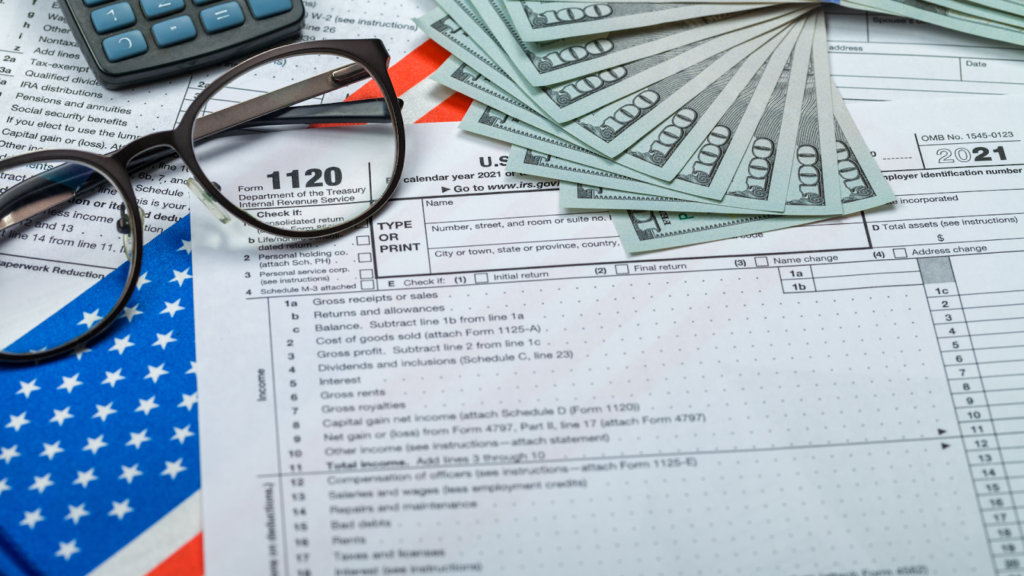
- Know your tax year and deadline: Confirm whether your corporation uses a calendar or fiscal year and mark the correct Form 1120 due date on your calendar.
- File an extension if needed: If you cannot finish the return on time, file Form 7004 before the original deadline to avoid late‑filing penalties.
- Reconcile books before filing: Ensure your financial statements match your tax return and that all transactions are properly categorized.
- Review officer compensation and related‑party transactions: Document salaries, bonuses, and any transactions between the corporation and its owners or related entities.
- Check for foreign‑related reporting: If your corporation has any foreign operations, subsidiaries, or accounts, confirm which additional forms must be attached.
By understanding Form 1120 deadlines, schedules, and common pitfalls, U.S. corporations can file accurate returns on time and minimize the risk of penalties or audits.