For business owners in the United States, navigating the complex landscape of tax returns filings is crucial to maintaining compliance and avoiding penalties. The IRS requires different tax forms based on the legal structure and operations of the business. Among the most significant are Form 1120, 1120S, 1065, Schedule K-1, 941, 940, 1099-NEC, and W-9. This guide explores each form’s purpose, requirements, and filing nuances in detail.
Form 1120: U.S. Corporation Income Tax Returns for C Corporations

Form 1120 is the primary tax return filed by C corporations to report income, gains, losses, deductions, and credits. Unlike other business types, C corporations are separate taxable entities, paying a corporate-level income tax rate (currently a flat 21%). This setup means that profits are taxed both at the corporate level and again at the shareholder level when dividends are distributed, a phenomenon known as double taxation.
Corporations using Form 1120 must provide comprehensive details about their income, including gross receipts, cost of goods sold, and allowable deductions such as salaries, repairs, and interest. The complexity of Form 1120 comes from the detailed schedules and statements required, including accounting for tax credits and other adjustments. The due date for Form 1120 is generally April 15 for calendar-year corporations, with an option for a six-month extension via Form 7004.
Form 1120S and Schedule K-1: Income Reporting for S Corporations

S corporations are designed as pass-through entities, where income, deductions, and credits pass through the corporation to shareholders to avoid double taxation. Form 1120S is the tax return that S corporations file annually to report income and losses. Instead of paying income tax at the corporate level, shareholders pay tax individually on their pro-rata share of the corporation’s income.
Attached to Form 1120S is Schedule K-1, which allocates each shareholder’s share of income, deductions, credits, and other tax items. Shareholders use the Schedule K-1 information to report these amounts on their personal income tax returns. S corporations must carefully track shareholder basis and distributions to comply with tax laws. The deadline for filing Form 1120S and distributing Schedule K-1 is March 15, with a possible extension available by submitting Form 7004.
Form 1065 and Schedule K-1: Partnership Tax Returns

Partnerships, including multi-member LLCs taxed as partnerships, file Form 1065 to report business income, deductions, gains, and losses. Like S corporations, partnerships are pass-through entities that do not pay income tax at the partnership level. Instead, they provide each partner with a Schedule K-1, which details the partner’s share of the partnership’s income or loss.
Partners use the Schedule K-1 to report these amounts on their individual tax returns. Accurate completion of Form 1065 requires detailed financial records, including income statements, balance sheets, and expense documentation. The due date for Form 1065 is also March 15, with an option for extension via Form 7004.
Payroll Tax Returns Forms: Form 941,940,944 and W-4
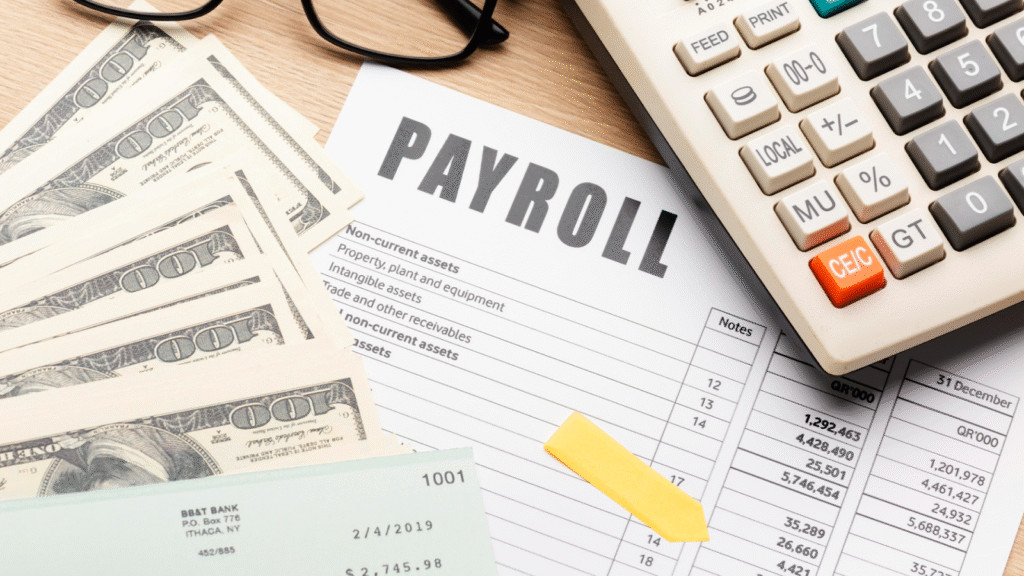
Businesses with employees are responsible for withholding and remitting payroll taxes using specific IRS forms:
- Form 941 is the Employer’s Quarterly Federal Tax Return. It reports wages paid, income taxes withheld, and Social Security and Medicare taxes owed by both employer and employee. This form is filed quarterly and is critical for ensuring payroll tax compliance.
- Form 940 is the Employer’s Annual Federal Unemployment (FUTA) Tax Return. This form calculates the unemployment tax employers owe annually, which funds state unemployment benefit programs. Unlike Form 941, this form is filed once a year.
- Form 944 is an annual payroll tax return designed for smaller employers whose annual federal payroll tax liability is $1,000 or less. Instead of filing Form 941 quarterly, eligible businesses file Form 944 once a year to report wages, withheld federal income tax, and both employer and employee shares of Social Security and Medicare taxes. Filing Form 944 requires IRS approval and helps simplify tax reporting for small employers.
- Form W-4 is completed by employees to indicate their federal income tax withholding preferences. Employers use Form W-4 information to calculate the correct amount of federal income tax to withhold from each paycheck.
Timely and accurate filing of these forms is essential to avoid penalties and ensure compliance with federal payroll tax obligations.
Reporting Non-Employee Compensation: Forms 1099-NEC and W-9

- Form 1099-NEC is used by businesses to report payments of $600 or more made to independent contractors, freelancers, and other non-employees for services rendered during the tax year. This form ensures the IRS is aware of income payable to individuals who are not traditional employees, and it must be furnished to contractors by January 31 of the year following the payment.
- Form W-9 is a request for the correct Taxpayer Identification Number (TIN) and certification from contractors or vendors. Businesses use W-9 forms to collect necessary information for issuing 1099 forms and ensuring accurate reporting of payments to the IRS.
Effective management of these forms helps businesses maintain compliance with tax withholding and reporting rules while supporting proper documentation of contractor relationships.
Key Filing Deadlines and Extensions

- Corporations filing Form 1120 must file by April 15 (calendar year) with an option for a six-month extension using Form 7004.
- S corporations and partnerships file Form 1120S and Form 1065, respectively, by March 15, with extension options.
- Sole proprietors and single-member LLCs report business income on Schedule C of Form 1040, generally filed by April 15.
- Payroll tax forms (941) are filed quarterly; Form 940 is annual.
- Form 1099-NEC must be issued to contractors by January 31, with filing to the IRS by the end of February or March depending on the filing method.
Conclusion
Understanding which tax forms your business must file depends largely on your business type and tax classification. Corporations use Form 1120 or 1120S, partnerships use Form 1065, and payroll-related filings require Forms 941 and 940. Proper handling of contractor payments with Forms 1099-NEC and W-9 is vital for compliance. Businesses are encouraged to maintain precise records and consider consulting tax professionals to ensure all federal tax filing requirements are met timely and accurately.
This expanded guide offers a thorough overview of business tax return forms commonly required in the USA, helping owners make informed tax filing decisions and avoid costly mistakes.